In recent years, healthy eating has evolved beyond simply counting calories. More people are focusing on foods that nourish the body, improve digestion, and support long-term wellness. One of the biggest nutrition trends today is the growing popularity of high fibre diet foods. From nutritionists and fitness experts to everyday families, everyone seems to be talking about the benefits of eating more fibre.
A fibre-rich diet is linked to better digestive health, improved heart health, stable blood sugar levels, and even healthy weight management. As awareness grows, many people are replacing processed foods with whole grains, fruits, vegetables, legumes, and seeds that naturally contain fibre. If you’ve been wondering why high-fibre diets are gaining so much attention, here’s everything you need to know.
What Are High Fibre Diet Foods?
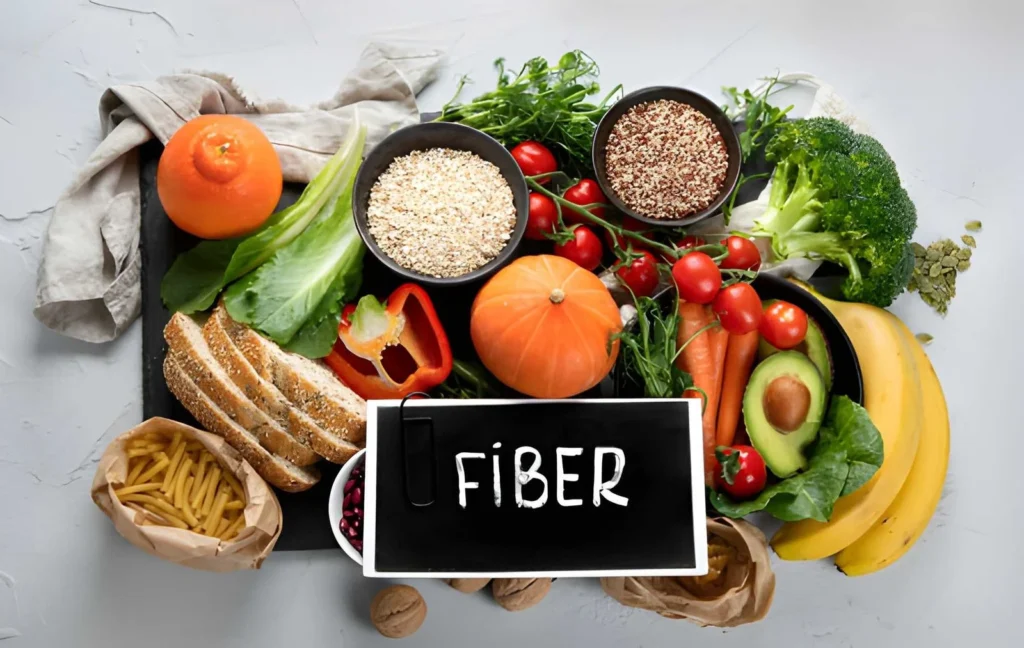
High fibre diet foods are foods that contain large amounts of dietary fibre, a type of carbohydrate that the body cannot fully digest. Unlike other nutrients, fibre passes through the digestive system and plays an important role in keeping it healthy.
There are two main types of dietary fibre:
- Soluble fibre, which dissolves in water and helps lower cholesterol while supporting healthy blood sugar levels.
- Insoluble fibre, which adds bulk to stool and promotes regular bowel movements.
Both types are essential for maintaining good health and should be included as part of a balanced diet.
Why Are High-Fibre Diets Becoming So Popular?
The rise of high-fibre diets is driven by increasing awareness of preventive healthcare. Rather than waiting for health problems to develop, many people are making smarter food choices that support their bodies every day.
- Improve digestion
- Support a healthy gut microbiome
- Reduce the risk of heart disease
- Maintain healthy cholesterol levels
- Help regulate blood sugar
- Promote longer-lasting fullness after meals
As more people seek sustainable ways to improve their health, high-fibre eating has become a practical lifestyle choice instead of just another diet trend.
Best High Fibre Diet Foods to Include Every Day
Research has consistently shown that eating more fibre may help:
Adding more fibre doesn’t require expensive supplements or complicated meal plans. Many everyday foods are naturally rich in fibre and easy to include in your daily meals.
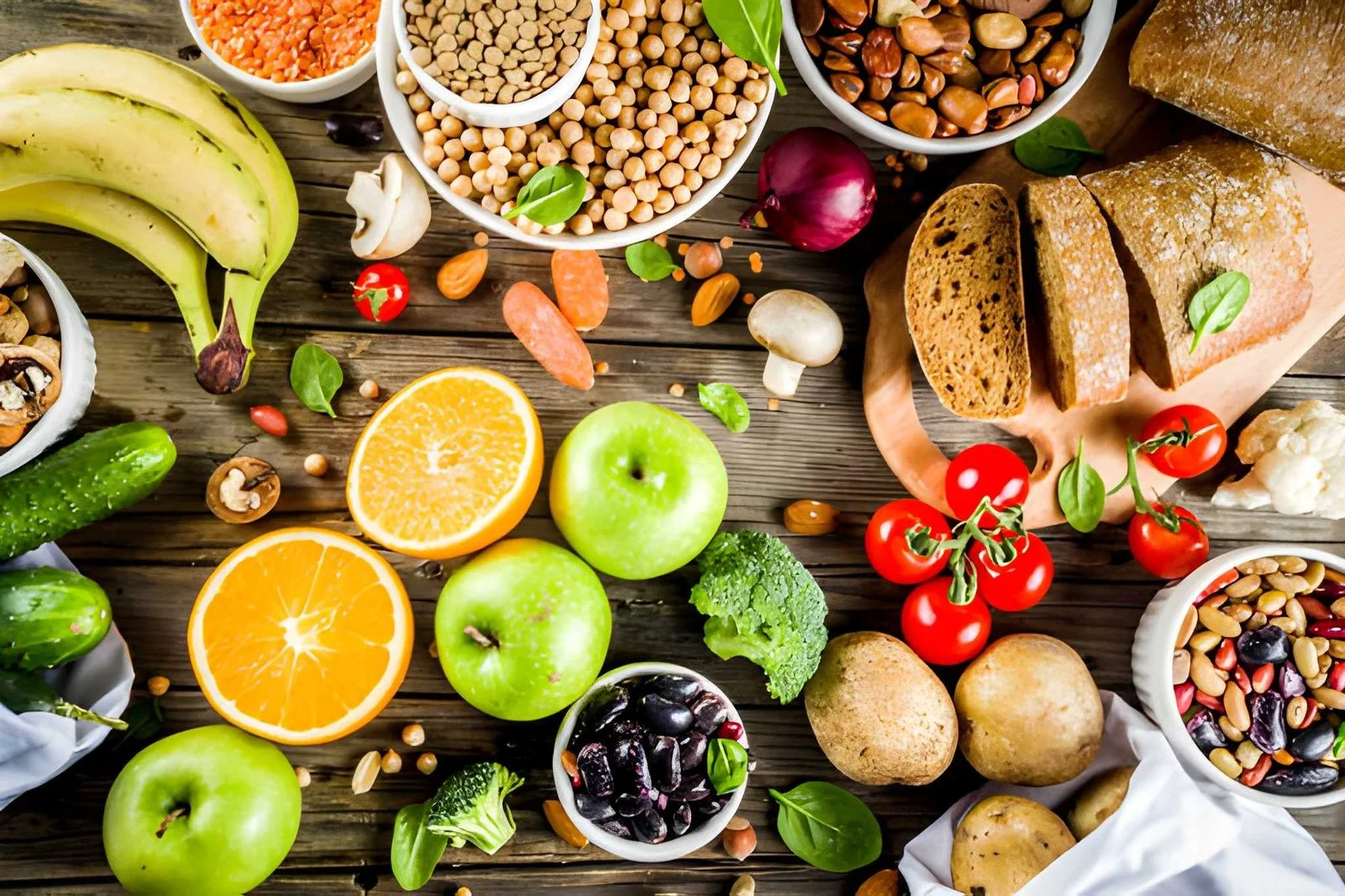
Some of the best high fibre diet foods include:
Whole Grains
Whole grains contain significantly more fibre than refined grains.
Examples include:
- Oats
- Brown rice
- Whole wheat bread
- Barley
- Quinoa
- Promote longer-lasting fullness after meals
Fruits
Fresh fruits provide both fibre and essential vitamins.
Excellent choices include:
- Apples
- Pears
- Raspberries
- Oranges
- Bananas
- Promote longer-lasting fullness after meals
Vegetables
Vegetables are among the healthiest fibre sources.
Try adding:
- Broccoli
- Carrots
- Spinach
- Brussels sprouts
- Sweet potatoes
Legumes
Beans and lentils are nutritional powerhouses packed with fibre and protein.
Great options include:
- Chickpeas
- Chickpeas
- Black beans
- Lentils
- Green peas
Nuts and Seeds
Small but nutrient-dense, nuts and seeds offer healthy fats alongside fibre.
Popular choices include:
- Chia seeds
- Flaxseeds
- Almonds
- Walnuts
- Pumpkin seeds
Can Fibre Help With Weight Management?
One major reason people are switching to fibre-rich eating is its ability to promote fullness. Fibre slows digestion, helping you stay satisfied for longer after meals.
Many people now follow a high fibre low calorie diet because it allows them to eat filling meals without consuming excessive calories. Foods like vegetables, legumes, berries, and whole grains provide volume and nutrients while supporting healthy weight goals.
Instead of relying on restrictive diets, increasing fibre intake encourages healthier eating habits that are easier to maintain over time.
How Fibre Supports Gut Health
Your digestive system contains trillions of beneficial bacteria collectively known as the gut microbiome. These microorganisms play an important role in digestion, immunity, and overall health.
Many fibre-rich foods act as prebiotics, providing nourishment for these beneficial bacteria. A healthier gut microbiome has been associated with:
- Better digestion
- Improved nutrient absorption
- Stronger immune function
- Reduced inflammation
- Better overall wellbeing
This growing understanding of gut health has further increased interest in consuming more high fibre diet foods.
High Fibre Low Calorie Diet: A Smart Lifestyle Choice
The popularity of the high fibre low calorie diet continues to grow because it focuses on nutrient density rather than restriction.
Meals built around vegetables, beans, fruits, and whole grains naturally contain fewer calories while providing important vitamins, minerals, and fibre.
Examples of healthy meals include:
- Oatmeal topped with berries and chia seeds
- Lentil soup with whole grain bread
- Quinoa salad with mixed vegetables
- Apple slices with almond butter
- Chickpea and vegetable curry with brown rice
These meals are satisfying, nutritious, and suitable for people looking to improve both health and weight management.
Easy Tips to Eat More Fibre
Increasing fibre intake doesn’t have to happen overnight. Small changes often produce the best long-term results.
Here are a few simple tips:
- Choose whole grain bread instead of white bread.
- Add beans or lentils to soups and salads.
- Eat fruit instead of sugary desserts.
- Include vegetables with every meal.
- Snack on nuts and seeds instead of processed snacks.
- Replace refined cereals with oats or bran cereals.
Remember to increase fibre gradually and drink plenty of water, as fibre works best when combined with proper hydration.
Common Mistakes to Avoid
Although eating more fibre is beneficial, some people make mistakes when increasing their intake.
Avoid these common issues:
- Increasing fibre too quickly, which may cause bloating.
- Drinking too little water.
- Relying only on fibre supplements instead of whole foods.
- Ignoring variety in the diet.
A balanced approach that includes different high fibre diet foods provides the widest range of nutrients.
Final Thoughts
The growing popularity of high-fibre eating isn’t simply another passing trend. Scientific research and nutrition experts continue to highlight the many benefits of fibre for digestion, heart health, blood sugar management, and healthy weight maintenance.
Whether you’re aiming to improve digestion, feel fuller between meals, or adopt healthier eating habits, adding more high fibre diet foods to your plate is one of the simplest and most effective lifestyle changes you can make. Pairing these foods with a high fibre low calorie diet can help create balanced, satisfying meals that support long-term wellness without feeling restrictive.
If you’re looking for more healthy recipes, nutrition tips, and meal inspiration, be sure to explore our best food blogs for expert advice and delicious ideas to support your healthy lifestyle.